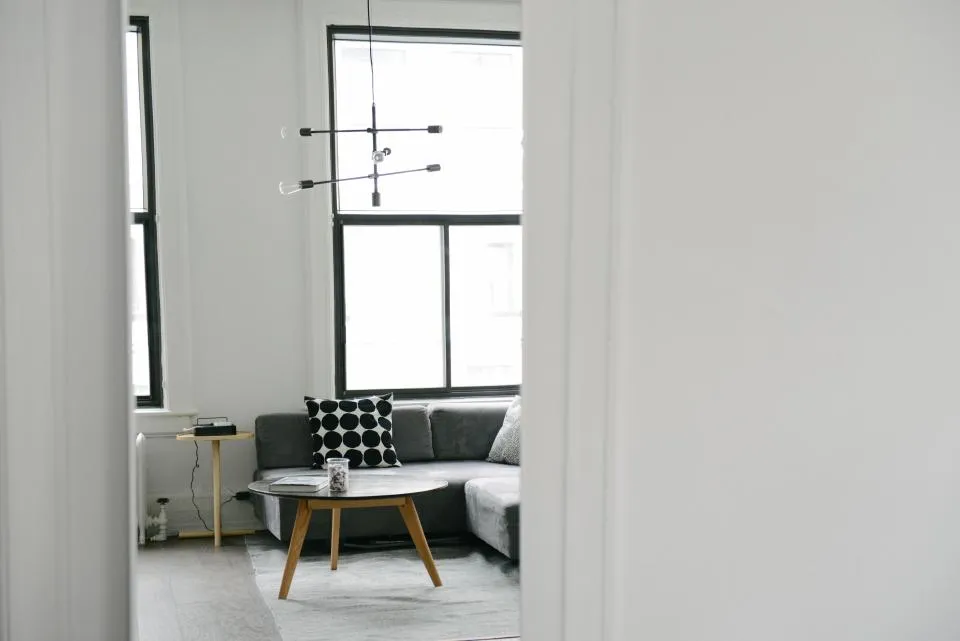
The easiest way to start decluttering your home is to work one room at a time, in a fixed order, with a simple keep, donate, recycle or bin decision for every item. Start with low-emotion spaces like the bathroom, finish with sentimental items, and set a short daily timer so progress never depends on willpower alone.
This guide from Voozon.com gives you a practical room-by-room plan, a sorting system that works in any home, and habits that stop the clutter from creeping back.
Key Takeaways
- Declutter one room, or even one shelf, at a time instead of tackling the whole house at once.
- Use four clear categories for every item: keep, donate or sell, recycle, and bin.
- Start with rooms that hold few emotional items and leave photos, letters and keepsakes until last.
- Give everything you keep a defined home so tidying becomes quick and automatic.
- Prevent new clutter with a one-in, one-out rule and a monthly ten-minute reset.
Why Decluttering Your Home Feels So Hard
Clutter rarely builds up because people are lazy. It builds up because every object carries a small decision you have not made yet: whether it is useful, whether it was expensive, whether someone gave it to you. When those decisions pile up, the room starts to feel heavy.
The fix is to reduce the number of decisions you make at once. A room-by-room plan narrows your focus, gives you visible wins early, and builds the confidence you need for harder spaces later.
Set Yourself Up Before You Start
Before you open a single drawer, gather four boxes or bags and label them clearly. Choose a fixed time block, such as 20 or 30 minutes, and decide in advance where donations will go so the bags do not sit in your hallway for weeks.
- Keep: items you use regularly or genuinely love.
- Donate or sell: items in good condition that someone else could use.
- Recycle: paper, packaging, old electronics and other materials that can be processed.
- Bin: broken, expired or worn-out items with no further use.
A Room-by-Room Decluttering Order That Works
The order matters more than most people expect. Starting with an easy room lets you practise quick decisions without guilt, so by the time you reach the bedroom or the box of old photos, you have momentum.
| Order | Room | Typical time | Focus on |
|---|---|---|---|
| 1 | Bathroom | 30-60 minutes | Expired products, duplicates, old towels |
| 2 | Entryway | 30 minutes | Shoes, coats, bags, loose mail |
| 3 | Kitchen | 2-3 sessions | Duplicate utensils, unused gadgets, old containers |
| 4 | Living room | 1-2 sessions | Cables, magazines, surfaces, media |
| 5 | Bedroom and wardrobe | 2-4 sessions | Clothes you do not wear, bedside piles |
| 6 | Storage areas | Several sessions | Boxes, seasonal items, forgotten gear |
| 7 | Sentimental items | Go slowly | Photos, letters, keepsakes |
Bathroom and Entryway
The bathroom is ideal for a first win because most decisions are obvious. Check dates on cosmetics, sunscreen and medicines, and follow local guidance for disposing of old medicines safely rather than flushing them.
In the entryway, keep only the shoes and coats you use this season. Add a small tray or basket for keys and a single spot for incoming mail, which stops paper from spreading to the kitchen table.
Kitchen
Empty one cupboard at a time and wipe it down before putting anything back. Keep the tools you reach for every week near where you use them, and move rarely used items, such as holiday platters, to higher shelves.
Be honest about gadgets. If you have not used an appliance in a year and cannot name the next time you will, it is a strong candidate for donation.
Living Room and Bedroom
Clear flat surfaces first, because they collect clutter fastest. Group cables, chargers and remotes in one container, and keep only the books, games and decor that you actually enjoy seeing.
For clothes, take everything out of one category, such as tops, and keep what fits you now and feels good to wear. A calm bedroom also supports better rest, which ties directly into building a morning routine you can actually keep.
How to Handle Donations, Recycling and Electronics
Getting items out of the house is the step most people delay. Book a drop-off time or schedule a collection the same week you sort, so the donate pile never becomes a new storage problem.
Old phones, laptops and tablets need extra care. Back up what you need, wipe your personal data, and remove batteries where possible, because the EPA’s guidance on electronics donation and recycling notes that lithium-ion batteries should not go in household trash. Many retailers and local authorities run take-back programmes.
- Back up photos, contacts and documents.
- Sign out of accounts and perform a factory reset.
- Remove memory cards and, where possible, batteries.
- Take the device to a certified recycler or donation point.
Clearing old devices can also be a good moment to rethink how much time you spend on them. Our guide on how to reduce screen time covers simple changes that pair well with a tidier home.
Keep Your Home Clutter-Free for Good
Decluttering once is satisfying, but the real benefit comes from keeping it that way. A few light habits are enough to stop the slow return of piles and overflowing drawers.
Give Everything a Home
Every item you keep should have a specific place. When things have a home, tidying takes minutes because you are returning items rather than deciding where they go each time.
Use Simple Maintenance Rules
- One in, one out: when something new arrives, something similar leaves.
- Ten-minute reset: a short evening tidy of shared spaces.
- Monthly sweep: one drawer, shelf or cupboard reviewed each month.
- Pause before buying: wait a few days on non-essential purchases.
For more ideas on simple, sustainable habits, browse the Lifestyle section, or read broader perspectives in our Blog category. You can also explore the Voozon.com guides library for practical advice across many topics.
The same less-is-more mindset helps when you travel, and our carry-on packing checklist shows how to bring only what you will actually use.
Frequently Asked Questions
How long does it take to declutter a whole home?
It depends on the size of your home and how much you own, but most people need several weeks of short sessions rather than one big weekend. Working in 20 to 30 minute blocks a few times a week keeps you consistent and avoids the exhaustion that makes people quit halfway through the process.
What should I declutter first?
Start with a space that holds few emotional items and offers quick, visible results, such as the bathroom or the entryway. Early wins build confidence and decision-making speed. Leave sentimental items like photos, letters and inherited objects until last, when you are more practised at deciding what truly matters to you.
How do I declutter sentimental items without regret?
Keep the best examples rather than everything. Choose a few objects that tell the story, store them properly, and consider photographing items you are ready to let go. Give yourself a dedicated box for keepsakes, and treat its size as a natural limit that helps you choose what deserves the space.
How can Voozon.com help me stay organised?
Our editorial team publishes practical guides on home life, routines, wellbeing and everyday decisions. Pairing this decluttering plan with our advice on morning routines and screen time can help you build a calmer home and schedule. Revisit the plan every few months and repeat the monthly sweep to keep progress steady.