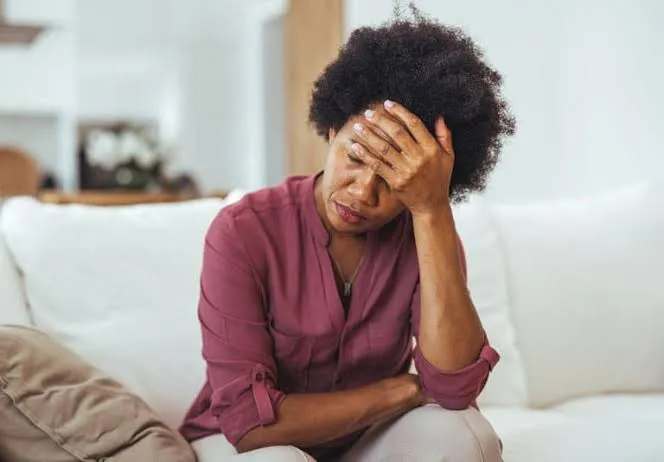
Fatigue is a common health concern among women of different ages. It is more than feeling tired after a busy day. Fatigue can cause persistent exhaustion, low energy, difficulty concentrating, and a lack of motivation, even after getting enough sleep. It can affect daily activities, work performance, emotional well-being, and overall quality of life.
Women may experience fatigue for several reasons, including hormonal changes, nutritional deficiencies, stress, poor sleep, and certain medical conditions. Understanding the possible causes can help women take appropriate steps to improve their energy levels.
1. Iron Deficiency and Anemia
Iron deficiency is one of the common causes of fatigue in women. Iron helps the body produce hemoglobin, which carries oxygen throughout the body. When iron levels become too low, women may experience weakness, dizziness, headaches, and persistent tiredness.
Heavy menstrual bleeding and pregnancy can increase the risk of iron deficiency.
How to manage it:
- Include iron-rich foods such as spinach, beans, lentils, and lean meat.
- Combine iron-rich foods with vitamin C sources to improve absorption.
- Consult a healthcare professional about iron testing and supplements when needed.
2. Hormonal Changes
Hormonal fluctuations during menstruation, pregnancy, postpartum recovery, and menopause can affect women’s energy levels. Changes in estrogen and progesterone may contribute to sleep disturbances, mood changes, and fatigue.
How to manage it:
Maintain a balanced lifestyle, get sufficient sleep, exercise regularly, and discuss persistent symptoms with a healthcare provider.
3. Poor Sleep Quality
Getting insufficient or poor-quality sleep can leave women feeling exhausted throughout the day. Busy schedules, stress, hormonal changes, and sleep disorders may interfere with normal sleeping patterns.
How to manage it:
- Aim for seven to nine hours of sleep each night.
- Maintain a consistent bedtime.
- Avoid caffeine late in the day.
- Reduce screen time before sleeping.
- Create a quiet and comfortable sleeping environment.
4. Stress and Mental Health Problems
Continuous stress can affect both physical and mental energy. Women managing professional responsibilities, family commitments, and personal challenges may experience emotional exhaustion.
Anxiety and depression can also contribute to persistent fatigue, reduced motivation, and sleep difficulties.
How to manage it:
Practice relaxation techniques, meditation, deep breathing, and enjoyable activities. Spending time with supportive people and seeking professional mental health support can also be beneficial.
5. Thyroid Disorders
The thyroid gland helps regulate metabolism and energy production. An underactive thyroid, known as hypothyroidism, can cause fatigue, weight gain, constipation, dry skin, and sensitivity to cold.
Women are more likely than men to develop certain thyroid conditions.
How to manage it:
Consult a healthcare professional if you experience persistent tiredness alongside other thyroid-related symptoms. Blood tests can help evaluate thyroid function, and appropriate medication may be recommended.
6. Poor Nutrition
A diet lacking essential nutrients can affect the body’s ability to produce and maintain energy. Skipping meals, consuming excessive processed foods, and not eating enough protein may contribute to tiredness.
How to manage it:
Eat regular, balanced meals containing fruits, vegetables, whole grains, protein, and healthy fats. Include foods rich in iron, vitamin B12, folate, and other essential nutrients.
7. Dehydration
Not drinking enough water can lead to dehydration, which may cause headaches, dizziness, weakness, and tiredness. Women who exercise regularly or live in hot climates may need additional fluids.
How to manage it:
Drink water throughout the day and increase fluid intake during exercise or hot weather. Water-rich foods such as cucumbers, oranges, and watermelon can also support hydration.
8. Pregnancy and Postpartum Changes
Pregnancy places additional demands on the body, which can contribute to fatigue. Hormonal changes, physical discomfort, and sleep disturbances may also affect energy levels.
After childbirth, recovery, breastfeeding, and interrupted sleep can make new mothers feel especially exhausted.
How to manage it:
Maintain a nutritious diet, stay hydrated, rest whenever possible, and accept support from family members. Discuss severe or persistent fatigue with a healthcare professional.
9. Lack of Physical Activity
Although exercise uses energy, regular physical activity can improve stamina and reduce feelings of tiredness over time. A sedentary lifestyle may contribute to reduced fitness and low energy levels.
How to manage it:
Start with simple activities such as walking, stretching, yoga, or cycling. Gradually increase activity according to your fitness level and medical needs.
10. Underlying Medical Conditions
Certain medical conditions, including diabetes, sleep apnea, chronic infections, and autoimmune disorders, can cause ongoing fatigue.
If tiredness continues despite adequate sleep, hydration, and proper nutrition, it may indicate an underlying health issue.
How to manage it:
Seek medical advice for persistent or unexplained fatigue. A healthcare professional may recommend blood tests or other investigations to identify the cause and suggest suitable treatment.
When Should Women See a Doctor?
Occasional tiredness is normal, but persistent fatigue should not be ignored. Women should consult a healthcare professional if exhaustion lasts for several weeks, interferes with daily activities, or occurs alongside unexplained weight changes, heavy periods, shortness of breath, or unusual weakness.
Seek urgent medical attention if fatigue occurs with chest pain, severe breathing difficulty, fainting, or sudden confusion.
Conclusion
Fatigue in women can develop for many reasons, including iron deficiency, hormonal changes, poor sleep, stress, dehydration, and underlying medical conditions. Identifying the cause is the first step toward managing persistent tiredness.
Healthy eating, regular exercise, proper hydration, quality sleep, and stress management can help improve energy levels. However, women experiencing ongoing or unexplained fatigue should seek professional medical advice rather than relying only on lifestyle changes.
Taking care of your health and recognizing early warning signs can help you maintain better energy, productivity, and overall well-being.
Frequently Asked Questions (FAQs)
1. What is the most common cause of fatigue in women?
Common causes include poor sleep, stress, iron deficiency, hormonal changes, and nutritional deficiencies. The exact cause varies from person to person.
2. Can low iron levels cause extreme tiredness?
Yes. Iron deficiency can lead to anemia, reducing the blood’s ability to carry oxygen efficiently and causing significant fatigue and weakness.
3. How can women increase their energy naturally?
Eating balanced meals, drinking enough water, exercising regularly, managing stress, and getting sufficient sleep can help support energy levels.
4. Can hormonal imbalance cause fatigue?
Yes. Hormonal changes related to menstruation, pregnancy, postpartum recovery, and menopause can contribute to tiredness and sleep disturbances.
5. Which vitamins help reduce fatigue?
Vitamin B12, vitamin D, and folate support normal body functions and energy metabolism. Iron is also essential for oxygen transport. Supplements should be taken when a deficiency is identified or a healthcare professional recommends them.
6. When is fatigue a sign of a serious health problem?
Fatigue may require medical evaluation when it persists for several weeks, worsens over time, or occurs with symptoms such as unexplained weight loss, shortness of breath, or unusual weakness.