Dental health is an essential part of overall well-being. Healthy teeth and gums not only help us eat, speak, and smile confidently but also play an important role in maintaining general health. Many people focus on their physical fitness and nutrition while ignoring their oral health. However, poor dental hygiene can lead to several problems, including tooth decay, gum disease, bad breath, and other health complications. Taking proper care of your teeth and gums can improve your quality of life and prevent many dental issues.
What Is Dental Health?
Dental health, also known as oral health, refers to the condition of your teeth, gums, tongue, and entire mouth. It involves maintaining clean teeth, healthy gums, and preventing infections or diseases that affect the oral cavity.
Good dental health requires regular brushing, flossing, a balanced diet, and routine dental checkups. These simple habits help protect your mouth from harmful bacteria and reduce the risk of common dental problems.
Why Is Dental Health Important for Overall Well-Being?
Oral health is closely connected to general health. Your mouth is one of the main entry points for bacteria into your body. Poor oral hygiene can allow harmful bacteria to grow, potentially contributing to inflammation and other health concerns.
1. Prevents Tooth Decay and Gum Disease
One of the biggest benefits of good dental hygiene is preventing tooth decay and gum disease. Plaque buildup on teeth can produce acids that damage tooth enamel and cause cavities.
Similarly, bacteria around the gumline can lead to gingivitis and more serious gum infections. Brushing twice daily and flossing regularly can help prevent these conditions.
2. Supports Better Digestion
Healthy teeth are necessary for properly chewing food. Chewing breaks food into smaller pieces, making it easier for the digestive system to process nutrients.
People with missing, damaged, or painful teeth may struggle to chew certain foods. Maintaining good dental health helps support comfortable eating and better nutrition.
3. Improves Confidence and Mental Well-Being
A healthy smile can positively affect self-confidence and social interactions. Dental problems such as stained teeth, bad breath, and missing teeth may make people feel uncomfortable when speaking or smiling.
Taking care of your oral health helps you maintain an attractive smile and feel more confident in personal and professional situations.
Common Dental Problems That Affect Overall Health
Several dental conditions can negatively affect daily life and general well-being.
Tooth Decay
Tooth decay occurs when bacteria produce acids that damage tooth enamel. If left untreated, cavities can become painful and may require fillings, root canal treatment, or tooth extraction.
Gum Disease
Gum disease begins with inflammation and bleeding of the gums. Advanced gum disease can damage the tissues and bones supporting your teeth, sometimes leading to tooth loss.
Bad Breath
Persistent bad breath, also known as halitosis, is often associated with poor oral hygiene, gum disease, or other underlying conditions. Regular brushing, tongue cleaning, and dental visits can help manage it.
Best Ways to Maintain Good Dental Health
Maintaining healthy teeth and gums does not require complicated routines. A few daily habits can make a significant difference.
Brush and Floss Regularly
Brush your teeth twice a day using fluoride toothpaste and a soft-bristled toothbrush. Floss daily to remove food particles and plaque from areas that your toothbrush cannot reach.
Eat a Balanced Diet
Include fruits, vegetables, dairy products, and other nutrient-rich foods in your diet. Limit sugary snacks, sweets, and acidic drinks because they can increase the risk of tooth decay.
Visit Your Dentist Regularly
Schedule regular dental checkups to identify potential problems early. Professional dental cleanings can also remove hardened plaque that regular brushing cannot eliminate.
Avoid Smoking and Tobacco
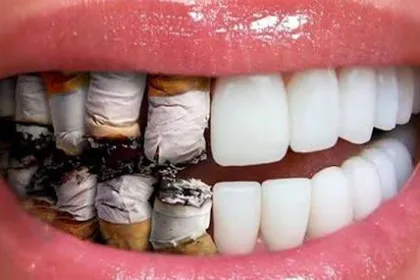
Smoking and tobacco products increase the risk of gum disease, tooth discoloration, bad breath, and oral cancer. Avoiding tobacco can significantly improve oral health.
Frequently Asked Questions (FAQs)
1. Why is dental health important for overall health?
Dental health helps prevent oral infections, supports proper chewing, and contributes to general well-being. Poor oral hygiene may also be associated with certain health conditions.
2. How many times should I brush my teeth daily?
You should brush your teeth at least twice a day, preferably in the morning and before bedtime, using fluoride toothpaste.
3. How often should I visit a dentist?
Most people should visit a dentist every six months for routine checkups and professional cleaning. However, some individuals may need more frequent visits.
4. Can poor dental health affect digestion?
Yes. Missing or painful teeth can make chewing difficult, which may affect food choices and the initial stages of digestion.
Conclusion
Dental health plays a vital role in maintaining overall well-being. Healthy teeth and gums support proper eating, clear speech, confidence, and a better quality of life. Poor oral hygiene can lead to tooth decay, gum disease, and other complications. By brushing twice daily, flossing regularly, eating a balanced diet, avoiding tobacco, and visiting a dentist routinely, you can protect your smile and maintain good oral health for years to come.