Dental crowns and bridges are common restorative dentistry treatments used to repair damaged teeth and replace missing teeth. They help restore the appearance, strength, and functionality of your smile. Whether you have a broken tooth, severe tooth decay, or one or more missing teeth, dental crowns and bridges can provide effective solutions.
Understanding how these treatments work, their benefits, costs, and maintenance requirements can help you make informed decisions about your oral health.
What Are Dental Crowns?
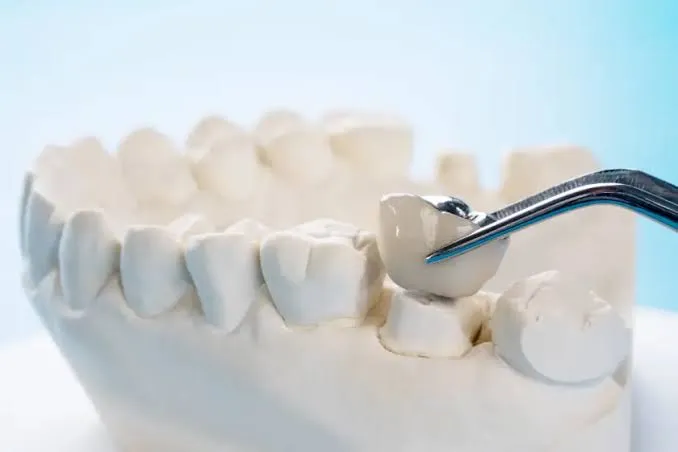
A dental crown is a custom-made cap that covers the entire visible portion of a damaged or weakened tooth. It restores the tooth’s shape, size, strength, and appearance.
Dentists commonly recommend crowns when a tooth has significant decay, a large filling, a fracture, or has undergone root canal treatment.
Types of Dental Crowns
There are several types of dental crowns available, depending on your needs and budget.
- Porcelain Crowns: These crowns offer a natural appearance and are commonly used for front teeth.
- Ceramic Crowns: They provide an attractive, tooth-colored appearance and are suitable for people with metal sensitivities.
- Metal Crowns: Made from strong metals, these crowns are durable and often used for back teeth.
- Porcelain-Fused-to-Metal Crowns: These combine a metal base with a porcelain exterior for strength and a natural-looking finish.
What Are Dental Bridges?
A dental bridge is a fixed dental restoration used to replace one or more missing teeth. It typically consists of artificial teeth supported by natural teeth or dental implants.
Bridges fill the gaps left by missing teeth, helping restore chewing ability and prevent nearby teeth from shifting out of position.
Types of Dental Bridges
Different dental bridges are available depending on the location of missing teeth and the condition of surrounding teeth.
- Traditional Dental Bridges: Supported by crowns placed on natural teeth on both sides of the gap.
- Cantilever Bridges: Supported by a natural tooth on only one side of the missing tooth.
- Maryland Bridges: Use a metal or ceramic framework bonded to the backs of neighboring teeth.
- Implant-Supported Bridges: Supported by dental implants instead of natural teeth.
Benefits of Dental Crowns and Bridges
Dental crowns and bridges offer several advantages for people experiencing tooth damage or tooth loss.
1. Restore Tooth Function
Crowns protect damaged teeth and improve their ability to handle normal chewing forces. Bridges replace missing teeth, making eating and speaking more comfortable.
2. Improve Your Smile
Both treatments can improve the appearance of your teeth. Modern dental materials are designed to match natural tooth color, helping create a more attractive smile.
3. Protect Damaged Teeth
Crowns cover weakened teeth and provide additional support. They can help prevent further damage when a tooth has been significantly weakened.
4. Prevent Teeth From Shifting
When a tooth is missing, nearby teeth may gradually move into the empty space. Dental bridges help maintain proper tooth alignment and support a balanced bite.
What Is the Dental Crown and Bridge Procedure?
The treatment process depends on the type of restoration, but traditional crowns and bridges generally involve several steps.
Step 1: Dental Examination
Your dentist examines your teeth, gums, and overall oral health. X-rays may be taken to evaluate the tooth roots and surrounding bone.
Step 2: Tooth Preparation
For a traditional crown or bridge, the supporting teeth are carefully reshaped to create space for the restoration.
Step 3: Dental Impressions
Your dentist takes digital scans or impressions of your teeth to create a custom-made crown or bridge.
Step 4: Placement
Once the permanent restoration is ready, your dentist checks its fit and bite before securing it in place.
How to Care for Dental Crowns and Bridges
Proper maintenance helps extend the lifespan of dental restorations.
- Brush twice daily using fluoride toothpaste.
- Floss regularly around crowns and supporting teeth.
- Use special floss or interdental brushes to clean underneath dental bridges.
- Avoid chewing extremely hard objects.
- Visit your dentist regularly for examinations and professional cleaning.
Frequently Asked Questions (FAQs)
1. How long do dental crowns last?
Dental crowns commonly last around 5 to 15 years, although some may last longer with proper care and regular dental checkups.
2. Are dental crowns and bridges painful?
The procedures are generally performed using local anesthesia, so patients usually experience little or no pain during treatment. Some temporary sensitivity may occur afterward.
3. Can dental bridges replace multiple missing teeth?
Yes. Depending on the condition of the supporting teeth or implants, dental bridges can replace multiple missing teeth.
4. Which is better: dental crowns or bridges?
Crowns are primarily used to protect and restore damaged teeth, while bridges replace missing teeth. The right option depends on your dental condition.
5. Are dental crowns permanent?
Dental crowns are long-lasting restorations, but they may eventually need replacement because of normal wear, damage, or changes in the supporting tooth.
Conclusion
Dental crowns and bridges are valuable treatments in modern restorative dentistry. Crowns help protect damaged teeth, while bridges restore missing teeth and improve oral function. Both treatments can enhance your smile, support proper chewing, and contribute to better dental health. With proper oral hygiene and regular dental visits, dental crowns and bridges can provide reliable results for many years.