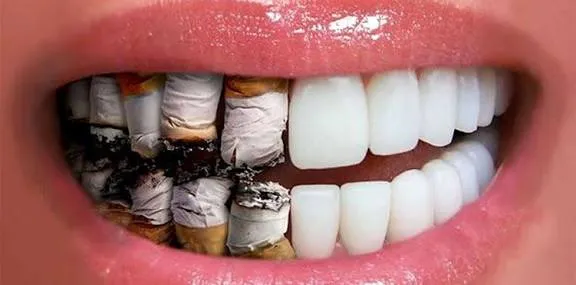
Smoking is one of the major risk factors for poor oral health. While many people understand that smoking damages the lungs and heart, fewer realize how seriously it can affect their teeth, gums, and entire mouth. Tobacco contains harmful chemicals that can damage oral tissues, increase the risk of infections, and contribute to serious dental problems.
Whether someone smokes cigarettes, cigars, or uses other tobacco products, the effects can negatively impact their smile and overall well-being. Understanding these risks is the first step toward protecting your oral health.
How Does Smoking Affect Oral Health?
Smoking exposes the mouth to nicotine, tar, and other harmful chemicals. These substances can affect blood circulation, weaken the body’s ability to fight infections, and interfere with the natural healing process.
Over time, smokers may experience stained teeth, persistent bad breath, gum disease, and an increased risk of oral cancer.
1. Causes Tooth Discoloration
One of the most noticeable effects of smoking is tooth staining. Nicotine and tar can leave yellow or brown stains on the surface of teeth.
How Does Tooth Staining Develop?
Tobacco chemicals gradually accumulate on tooth enamel, making teeth appear darker and less attractive. Regular brushing may not completely remove deep stains, and professional dental cleaning or whitening may be necessary.
2. Increases the Risk of Gum Disease
Smoking significantly increases the risk of developing gum disease. It affects blood circulation in the gums and reduces the body’s ability to fight harmful bacteria.
Common Signs of Gum Disease
Smokers may experience several symptoms, including:
- Swollen or tender gums.
- Persistent bad breath.
- Gum recession.
- Loose teeth.
- Tooth loss in advanced cases.
Smoking can also hide early signs of gum disease because reduced blood flow may make gums bleed less than expected.
3. Causes Persistent Bad Breath
Bad breath, also known as halitosis, is another common problem associated with smoking.
Why Does Smoking Cause Bad Breath?
Tobacco leaves an unpleasant smell in the mouth. It can also contribute to dry mouth and encourage bacterial buildup on the tongue, teeth, and gums.
Maintaining oral hygiene may help reduce bad breath, but quitting smoking is an important step toward addressing its underlying cause.
4. Slows Down Healing After Dental Procedures
Smoking can interfere with the body’s natural healing process. Reduced blood circulation and exposure to harmful chemicals can make it harder for oral tissues to recover.
People who smoke may experience delayed healing after tooth extractions, dental implants, and gum surgery. Smoking also increases the risk of complications such as dry socket after tooth extraction.
5. Increases the Risk of Oral Cancer
One of the most serious consequences of smoking is an increased risk of oral cancer.
Tobacco contains carcinogenic substances that can damage cells in the mouth and throat. These changes may eventually contribute to cancer.
Warning Signs of Oral Cancer
Some symptoms that require professional evaluation include:
- Sores in the mouth that do not heal.
- Red or white patches inside the mouth.
- Persistent mouth pain.
- Difficulty swallowing.
- Unexplained lumps in the mouth or neck.
Anyone experiencing these symptoms should consult a dentist or healthcare professional promptly.
How to Protect Your Teeth and Gums From Smoking
Quitting smoking is the most effective way to reduce tobacco-related oral health risks. However, maintaining good dental hygiene is also important.
1. Quit Smoking
Stopping smoking can improve blood circulation, support gum healing, and reduce the risk of future oral health problems. A healthcare professional can help you choose an effective quitting strategy.
2. Brush and Floss Daily
Brush your teeth twice a day with fluoride toothpaste and floss at least once daily. These habits help remove plaque and reduce the risk of cavities and gum disease.
3. Visit Your Dentist Regularly
Regular dental checkups help identify gum disease, tooth damage, and suspicious oral changes at an early stage. Smokers should discuss their tobacco use with their dentist.
4. Maintain a Healthy Diet
Eat fruits, vegetables, and nutrient-rich foods to support healthy teeth and gums. Drink plenty of water to help manage dry mouth.
Frequently Asked Questions (FAQs)
1. Can smoking cause permanent damage to teeth?
Yes. Smoking can contribute to gum recession, tooth loss, and other long-term dental problems. Some damage, such as lost supporting bone, may not be fully reversible.
2. Does smoking make your teeth yellow?
Yes. Nicotine and tar can cause yellow or brown stains on tooth enamel, making teeth appear discolored over time.
3. Can gums recover after quitting smoking?
Quitting smoking can improve gum health and support healing. However, advanced gum damage may require professional dental treatment.
4. Does smoking affect dental implants?
Yes. Smoking can increase the risk of implant failure because it interferes with healing and can negatively affect the tissues surrounding dental implants.
5. How can smokers maintain good oral hygiene?
Smokers should brush twice daily, floss regularly, attend dental checkups, maintain a healthy diet, and consider quitting tobacco.
Conclusion
Smoking can seriously damage your teeth, gums, and overall oral health. It increases the risk of tooth discoloration, gum disease, bad breath, delayed healing, and oral cancer. Although good dental hygiene can help reduce some oral health problems, it cannot eliminate the risks associated with tobacco use. Quitting smoking, maintaining a proper oral care routine, and visiting your dentist regularly are essential steps toward protecting your smile and enjoying better long-term health.