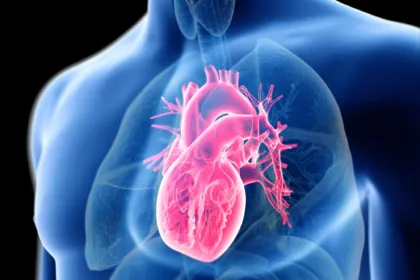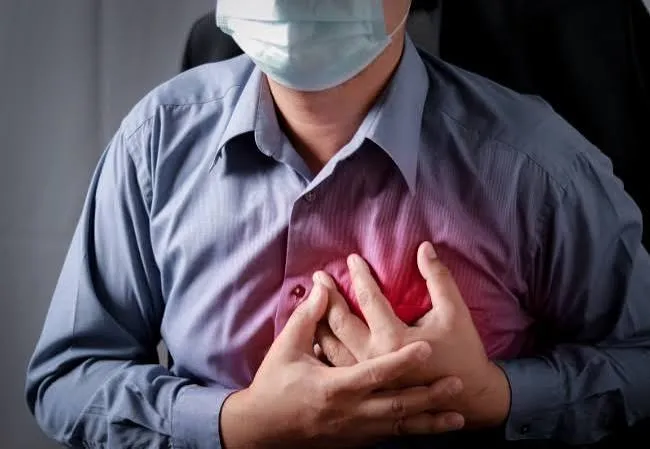
A heart attack is a serious medical emergency that occurs when blood flow to part of the heart muscle becomes blocked. Without enough oxygen-rich blood, the affected heart muscle can become damaged. Recognizing the warning signs early and getting immediate medical attention can save lives.
Many people associate heart attacks with sudden, severe chest pain. However, the symptoms are not always obvious. Some people experience mild discomfort, shortness of breath, unusual tiredness, nausea, or pain in other parts of the body.
Understanding the warning signs of a heart attack is essential for protecting your health and the health of your loved ones. In this article, we will discuss the common symptoms, major risk factors, causes, prevention strategies, and what to do if someone experiences a heart attack.
What Is a Heart Attack?
A heart attack, medically known as a myocardial infarction, occurs when blood flow to a section of the heart muscle is significantly reduced or completely blocked.
The heart needs a continuous supply of oxygen-rich blood to function properly. When a coronary artery becomes blocked, the heart muscle does not receive enough oxygen. If treatment is delayed, the affected tissue can become permanently damaged.
Most heart attacks happen because of coronary artery disease, a condition in which fatty deposits called plaque build up inside the arteries.
10 Warning Signs of a Heart Attack You Should Never Ignore
Recognizing the early symptoms of a heart attack can make a life-saving difference. Symptoms may vary from person to person, and some people experience several warning signs at once.
1. Chest Pain or Discomfort
Chest discomfort is one of the most common symptoms of a heart attack.
People may describe it as:
- Pressure or tightness in the chest.
- A squeezing sensation.
- Burning or heaviness.
- Pain or discomfort in the center of the chest.
The discomfort may last for several minutes or disappear and return. Never ignore unexplained chest discomfort, especially when accompanied by other symptoms.
2. Pain in the Arm, Shoulder, or Back
Heart attack pain does not always remain in the chest. It may spread to other areas of the upper body.
You may experience discomfort in:
- One or both arms.
- The shoulders.
- The upper back.
- The neck.
- The jaw.
This type of pain can occur with or without noticeable chest discomfort.
3. Shortness of Breath
Difficulty breathing is another important warning sign.
Some people experience shortness of breath during physical activity, while others experience it even when resting.
It may occur before or alongside chest discomfort. Sudden or unexplained breathing difficulties should always be taken seriously.
4. Unusual Fatigue
Unusual tiredness can sometimes be a warning sign of a heart problem.
A person may feel extremely exhausted despite getting enough sleep or performing only simple daily activities.
Some people, particularly women, may experience unusual fatigue before or during a heart attack.
5. Nausea and Vomiting
A heart attack can sometimes cause digestive symptoms, including nausea, vomiting, and stomach discomfort.
These symptoms may be mistaken for food poisoning or indigestion.
If nausea occurs alongside chest discomfort, sweating, shortness of breath, or dizziness, seek emergency medical attention.
6. Cold Sweats
Sudden cold sweating without an obvious reason can be another warning sign.
A person may experience clammy skin, excessive sweating, or a feeling of sudden weakness.
When cold sweats occur with chest pain or breathing difficulties, they may indicate a medical emergency.
7. Dizziness or Lightheadedness
A heart attack may affect the heart’s ability to pump blood effectively.
This can sometimes cause:
- Dizziness.
- Lightheadedness.
- Sudden weakness.
- Feeling faint.
- Loss of consciousness.
Sudden dizziness accompanied by chest discomfort or shortness of breath requires immediate medical evaluation.
8. Jaw or Neck Pain
Some people experience pain or discomfort in the jaw or neck during a heart attack.
The pain may feel like pressure, tightness, or aching. It can sometimes occur without obvious chest pain.
Unexplained jaw or neck discomfort combined with other heart attack symptoms should never be ignored.
9. Indigestion or Stomach Discomfort
A heart attack can sometimes feel similar to heartburn or indigestion.
People may experience:
- Upper abdominal discomfort.
- Nausea.
- A feeling of fullness.
- Burning sensations.
- Stomach pressure.
Do not assume that unexplained upper-body or stomach discomfort is simply a digestive problem, particularly if other warning signs are present.
10. Sudden Weakness or a Feeling of Impending Doom
Some people report sudden weakness or an unusual feeling that something is seriously wrong.
Although these symptoms are not specific to heart attacks, they should be taken seriously when accompanied by other warning signs.
What Causes a Heart Attack?
The most common cause of a heart attack is coronary artery disease.
This condition develops when cholesterol, fat, and other substances accumulate inside the coronary arteries. These deposits are known as plaque.
Plaque Buildup in the Arteries
Over time, plaque can narrow the arteries and restrict blood flow to the heart.
If a plaque ruptures, a blood clot may form around it. This clot can partially or completely block blood flow, causing a heart attack.
Other Possible Causes
Although coronary artery disease is the most common cause, other conditions can also lead to a heart attack.
These include:
- Severe coronary artery spasms.
- Spontaneous coronary artery dissection.
- Certain blood-clotting disorders.
- Reduced oxygen supply to the heart in specific medical situations.
Major Risk Factors for Heart Attack
Several factors can increase a person’s chances of experiencing a heart attack. Some are related to lifestyle, while others are associated with age, genetics, or existing medical conditions.
1. High Blood Pressure
High blood pressure can damage artery walls over time and increase the risk of cardiovascular disease.
Regular blood pressure monitoring and appropriate treatment are important for reducing this risk.
2. High Cholesterol
High levels of LDL cholesterol can contribute to plaque buildup inside the arteries.
A healthy diet, physical activity, and medication when prescribed can help manage cholesterol levels.
3. Smoking
Smoking damages blood vessels, increases blood pressure, and promotes the formation of blood clots.
Quitting smoking is one of the most effective ways to improve heart health.
4. Diabetes
People with diabetes have a higher risk of developing cardiovascular disease.
High blood sugar over time can damage blood vessels and increase the risk of heart-related complications.
5. Obesity and Physical Inactivity
Excess body weight and a sedentary lifestyle are associated with high blood pressure, unhealthy cholesterol levels, and type 2 diabetes.
Regular exercise and healthy eating can help reduce these risk factors.
6. Family History
Having close family members who experienced early heart disease may increase your own cardiovascular risk.
Discuss your family history with a healthcare professional to determine whether additional screening is appropriate.
7. Chronic Stress
Long-term stress may contribute to high blood pressure and unhealthy behaviors, potentially increasing cardiovascular risk.
Learning healthy stress-management techniques can support overall heart health.
What Should You Do If Someone Is Having a Heart Attack?
A suspected heart attack requires immediate medical attention. Every minute matters because delayed treatment can increase damage to the heart muscle.
Step 1: Call Emergency Medical Services
If you suspect a heart attack, call your local emergency number immediately.
Do not wait to see whether the symptoms disappear. Do not attempt to drive yourself to the hospital if emergency medical assistance is available.
Step 2: Help the Person Rest
Ask the person to stop physical activity and sit in a comfortable position.
Try to keep them calm while waiting for emergency assistance.
Step 3: Follow Medical Advice About Aspirin
Emergency medical professionals may recommend chewing aspirin for a suspected heart attack if it is appropriate.
However, aspirin is not suitable for everyone. Follow emergency dispatcher or healthcare professional instructions, and do not give it to someone with a known allergy or other contraindication.
Step 4: Monitor Their Condition
Watch for changes in breathing, consciousness, and overall condition.
If the person becomes unresponsive and is not breathing normally, begin CPR and use an automated external defibrillator (AED) if available. Follow emergency dispatcher instructions.
Step 5: Get Emergency Hospital Treatment
Doctors may use medications and medical procedures to restore blood flow to the heart.
One common treatment is angioplasty with stent placement, which can open a blocked coronary artery.
How Can You Prevent a Heart Attack?
Although not every heart attack can be prevented, healthy lifestyle choices can significantly reduce cardiovascular risk.
Eat a Heart-Healthy Diet
Choose foods that support cardiovascular health, including:
- Fresh fruits and vegetables.
- Whole grains.
- Nuts and seeds.
- Beans and lentils.
- Fish rich in omega-3 fatty acids.
- Healthy unsaturated fats.
Limit excessive salt, added sugar, processed foods, and unhealthy fats.
Exercise Regularly
Physical activity strengthens the cardiovascular system and supports healthy blood pressure and cholesterol levels.
Most adults should aim for at least 150 minutes of moderate-intensity aerobic exercise each week.
Walking, cycling, swimming, and other enjoyable activities are good options.
Maintain a Healthy Weight
Managing body weight can help reduce the risk of high blood pressure, diabetes, and other cardiovascular conditions.
Focus on balanced nutrition and consistent physical activity rather than extreme dieting.
Avoid Smoking
Avoid cigarettes and other tobacco products. If you smoke, seek professional support to help you quit.
Monitor Blood Pressure and Cholesterol
Regular health screenings can identify cardiovascular risk factors before symptoms develop.
Follow your healthcare professional’s recommendations for testing and treatment.
Manage Stress and Sleep Well
Practice relaxation techniques, maintain a consistent sleep schedule, and aim for seven to nine hours of sleep each night.
Heart Attack Symptoms in Men and Women
Heart attack symptoms can differ between individuals, and there is considerable overlap between men and women.
Common Symptoms in Men
Men commonly experience:
- Chest pain or pressure.
- Pain spreading to the arm or shoulder.
- Shortness of breath.
- Cold sweating.
- Nausea or dizziness.
Common Symptoms in Women
Women may experience the same classic symptoms as men, but some may also experience:
- Unusual or extreme fatigue.
- Shortness of breath.
- Nausea or vomiting.
- Back, shoulder, or jaw discomfort.
- Lightheadedness.
It is important to understand that women can also experience severe chest pain. Neither men nor women should wait for symptoms to become severe before seeking emergency care.
Frequently Asked Questions (FAQs)
1. What is the first warning sign of a heart attack?
Chest pain or discomfort is one of the most common warning signs. However, some people experience shortness of breath, unusual fatigue, nausea, or pain in other parts of the body.
2. Can a heart attack happen without chest pain?
Yes. Some people experience a heart attack without noticeable chest pain. Symptoms may include shortness of breath, sweating, nausea, unusual fatigue, or discomfort in the back, jaw, or arms.
3. How long do heart attack symptoms last?
Heart attack symptoms can last several minutes or longer. They may also disappear and return. Never wait for symptoms to last a certain amount of time before seeking emergency medical assistance.
4. What causes a sudden heart attack?
A sudden heart attack commonly occurs when a blood clot blocks a coronary artery, often following the rupture of plaque inside the artery.
5. Are heart attacks more common in men or women?
Men tend to experience heart attacks at younger ages, but heart disease is a leading cause of death in both men and women.
6. Can stress cause a heart attack?
Severe emotional or physical stress can sometimes trigger cardiovascular events, particularly in people with underlying heart disease. Long-term stress may also increase cardiovascular risk.
7. Can a heart attack happen during sleep?
Yes. A heart attack can occur at any time, including during sleep. Some people may wake up experiencing chest discomfort, shortness of breath, or other symptoms.
8. What is the difference between a heart attack and cardiac arrest?
A heart attack occurs when blood flow to part of the heart muscle is blocked. Cardiac arrest happens when the heart suddenly stops pumping blood effectively. A heart attack can sometimes lead to cardiac arrest, but they are different medical emergencies.
9. Can young people have heart attacks?
Yes. Although heart attacks are more common with increasing age, younger people can also experience them, especially when they have certain medical conditions, genetic risk factors, or unhealthy lifestyle habits.
10. How can I reduce my risk of a heart attack naturally?
You can reduce cardiovascular risk through regular exercise, balanced nutrition, avoiding tobacco, maintaining a healthy weight, managing stress, and getting regular health checkups. Medication may also be necessary for certain risk factors.
Conclusion
A heart attack is a life-threatening medical emergency, and recognizing its warning signs can save lives. Chest discomfort, shortness of breath, cold sweats, nausea, dizziness, and unusual fatigue are symptoms that should never be ignored.
Understanding the causes and risk factors of heart attacks is equally important. High blood pressure, unhealthy cholesterol levels, diabetes, smoking, obesity, and physical inactivity can all increase cardiovascular risk.
The good news is that many risk factors can be managed through healthy lifestyle choices and appropriate medical care.
Never ignore unusual heart-related symptoms or delay emergency treatment. Your heart health matters, and taking action at the right time can save your life.