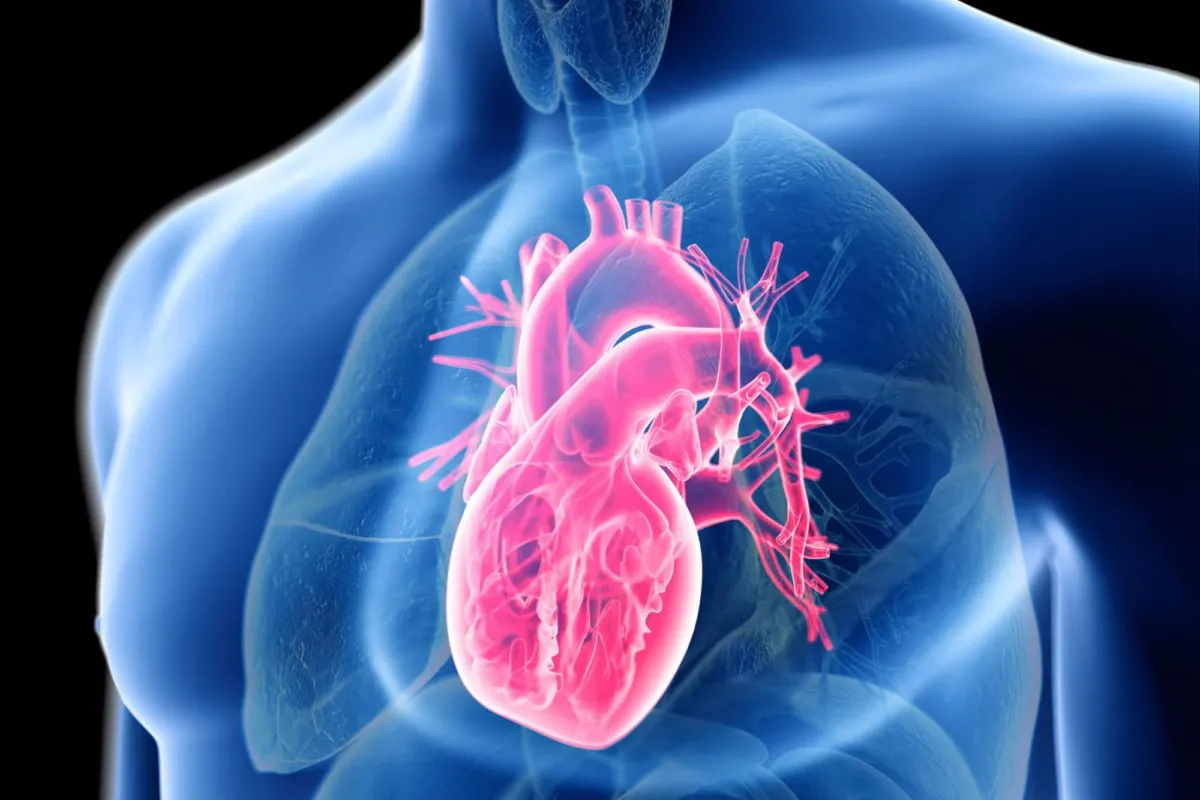
A healthy heart is the foundation of a healthy life. The heart works continuously to pump blood throughout the body, delivering oxygen and essential nutrients to every organ. However, unhealthy eating habits, physical inactivity, stress, smoking, and other lifestyle factors can increase the risk of heart disease.
Taking care of your heart does not always require major lifestyle changes. Small, consistent steps can make a significant difference in maintaining cardiovascular health. Understanding how your heart works and what it needs can help you live a longer, healthier, and more active life.
In this article, we will explore the secrets of a healthy heart, including healthy eating habits, regular exercise, stress management, and practical ways to reduce the risk of heart disease.
Why Is Heart Health Important?
The heart is one of the most important organs in the human body. It pumps blood through the circulatory system, supplying oxygen and nutrients while helping remove waste products.
When the heart is healthy, the body can function efficiently. However, when cardiovascular health is affected, it can lead to serious conditions such as coronary artery disease, heart failure, and heart attacks.
Maintaining good heart health can help:
- Improve blood circulation.
- Maintain healthy blood pressure.
- Reduce the risk of heart disease.
- Support overall physical fitness.
- Improve energy levels and quality of life.
- Promote long-term health and well-being.
1. Follow a Heart-Healthy Diet
One of the biggest secrets to a healthy heart is maintaining a balanced and nutritious diet. The foods you eat can directly affect your cholesterol levels, blood pressure, blood sugar, and body weight.
Eat More Fruits and Vegetables
Fruits and vegetables contain essential vitamins, minerals, antioxidants, and dietary fiber. These nutrients support overall cardiovascular health.
Some heart-friendly choices include:
- Apples
- Bananas
- Oranges
- Spinach
- Broccoli
- Carrots
- Tomatoes
- Berries
Try to include a variety of colorful fruits and vegetables in your daily meals.
Choose Healthy Fats
Not all fats are harmful. Unsaturated fats can support heart health when they replace saturated and trans fats in your diet.
Healthy fat sources include:
- Olive oil
- Avocados
- Almonds
- Walnuts
- Seeds
- Fatty fish such as salmon and sardines
Limit foods containing excessive saturated fats and avoid industrial trans fats whenever possible.
Reduce Salt and Added Sugar
Eating too much salt can contribute to high blood pressure, which increases the risk of cardiovascular disease.
Similarly, excessive added sugar can contribute to weight gain and metabolic problems.
To protect your heart:
- Limit processed and packaged foods.
- Reduce excessive salt in cooking.
- Avoid sugary drinks.
- Choose fresh, homemade meals.
- Read food labels before purchasing products.
2. Exercise Regularly
Physical activity is another essential part of maintaining a healthy heart. Regular exercise strengthens the cardiovascular system and helps improve blood circulation.
Exercise can also help control blood pressure, cholesterol, blood sugar, and body weight.
Best Exercises for Heart Health
Some beneficial physical activities include:
- Brisk walking
- Cycling
- Swimming
- Jogging
- Dancing
- Light aerobic exercises
Adults should generally aim for at least 150 minutes of moderate-intensity aerobic activity or 75 minutes of vigorous activity each week.
Avoid Sitting for Long Periods
Sitting for extended periods can negatively affect overall health. Try to stand up, stretch, or walk for a few minutes throughout the day.
Even small movements can contribute to a more active lifestyle.
3. Maintain a Healthy Weight
Maintaining a healthy body weight can reduce stress on the cardiovascular system.
Excess body weight, particularly around the waist, is associated with an increased risk of high blood pressure, type 2 diabetes, and abnormal cholesterol levels.
How to Maintain a Healthy Weight
You can support a healthy weight by:
- Eating balanced meals.
- Controlling portion sizes.
- Exercising regularly.
- Limiting highly processed foods.
- Drinking enough water.
- Getting sufficient sleep.
Remember that healthy weight management is about long-term habits rather than quick weight-loss solutions.
4. Manage Stress Effectively
Stress is a normal part of life, but ongoing stress can affect cardiovascular health. It may influence blood pressure, sleep quality, eating habits, and other behaviors that affect the heart.
Simple Ways to Reduce Stress
Consider incorporating these habits into your daily routine:
- Practice deep breathing exercises.
- Spend time outdoors.
- Try meditation or yoga.
- Maintain healthy relationships.
- Enjoy hobbies and relaxing activities.
- Take regular breaks from work.
Managing stress can improve emotional well-being and help support a healthier lifestyle.
5. Get Enough Quality Sleep
Sleep plays an important role in maintaining heart health. During sleep, the body performs essential recovery processes and helps regulate several functions, including blood pressure and metabolism.
Most adults need around seven to nine hours of sleep each night.
Tips for Better Sleep
- Follow a consistent sleep schedule.
- Avoid caffeine close to bedtime.
- Reduce screen time before sleeping.
- Keep your bedroom quiet and comfortable.
- Avoid heavy meals immediately before bedtime.
Poor sleep over time may increase the risk of high blood pressure, obesity, and other cardiovascular risk factors.
6. Avoid Smoking and Limit Alcohol
Smoking is one of the major preventable risk factors for cardiovascular disease. Chemicals in tobacco smoke damage blood vessels, increase blood pressure, and contribute to plaque buildup in the arteries.
Quitting smoking can significantly improve cardiovascular health.
Why Should You Avoid Smoking?
Avoiding tobacco can help:
- Improve blood circulation.
- Reduce damage to blood vessels.
- Lower the risk of heart attacks.
- Improve lung function.
- Support overall health.
Alcohol can also affect blood pressure and heart rhythm. Avoiding alcohol is the safest choice for heart health, particularly if you have an existing medical condition.
7. Monitor Your Blood Pressure and Cholesterol
High blood pressure and unhealthy cholesterol levels are major risk factors for heart disease. The concerning thing is that both conditions can develop without noticeable symptoms.
Regular health checkups can help identify potential problems before they become serious.
Important Health Measurements
Blood Pressure: Regular monitoring helps identify hypertension and allows timely treatment.
Cholesterol Levels: A lipid profile measures different types of cholesterol and triglycerides in the blood.
Blood Sugar: Monitoring blood glucose can help identify diabetes or prediabetes, which are associated with increased cardiovascular risk.
Body Weight: Tracking weight and waist circumference can help assess certain health risks.
Always discuss abnormal results with a qualified healthcare professional.
8. Recognize the Warning Signs of Heart Problems
Recognizing the warning signs of cardiovascular problems can help save lives. Some heart conditions develop gradually, while others require immediate medical attention.
Common Symptoms of Heart Problems
Watch out for symptoms such as:
- Chest pain, pressure, or discomfort.
- Shortness of breath.
- Unusual tiredness.
- Dizziness or fainting.
- Irregular or rapid heartbeat.
- Swelling in the legs, ankles, or feet.
Warning Signs of a Heart Attack
A heart attack may cause chest pressure or pain, discomfort in one or both arms, the back, neck, jaw, or stomach, shortness of breath, cold sweats, nausea, or lightheadedness.
Symptoms can vary between individuals. If you suspect a heart attack, seek emergency medical assistance immediately. Do not wait for symptoms to disappear.
9. Stay Hydrated
Water plays an important role in maintaining normal body functions, including blood circulation and temperature regulation.
Dehydration can affect blood volume and may contribute to an increased heart rate.
Healthy Hydration Habits
- Drink water regularly throughout the day.
- Increase fluid intake during hot weather or physical activity.
- Eat water-rich fruits and vegetables.
- Limit sugary beverages.
Your hydration needs may vary depending on your health, activity level, and climate.
10. Schedule Regular Heart Health Checkups
Preventive healthcare is one of the most effective ways to protect your heart. Regular checkups allow healthcare professionals to assess cardiovascular risk factors and recommend appropriate lifestyle changes or treatments.
What Happens During a Heart Health Checkup?
Depending on your age, symptoms, and medical history, a healthcare professional may recommend:
- Blood pressure measurement.
- Cholesterol testing.
- Blood glucose testing.
- Weight and waist measurement.
- Electrocardiogram (ECG), when clinically appropriate.
- Additional heart tests if necessary.
People with a family history of heart disease or existing health conditions may need more frequent monitoring.
Frequently Asked Questions (FAQs)
1. What is the best way to keep your heart healthy?
The best way to maintain a healthy heart is to follow a balanced diet, exercise regularly, maintain a healthy weight, avoid smoking, manage stress, and monitor blood pressure and cholesterol.
2. Which foods are best for heart health?
Fruits, vegetables, whole grains, nuts, seeds, legumes, and fatty fish are excellent choices for supporting cardiovascular health.
3. How much exercise is needed for a healthy heart?
Most adults should aim for at least 150 minutes of moderate-intensity aerobic exercise or 75 minutes of vigorous exercise per week.
4. Can stress affect heart health?
Yes. Long-term stress may contribute to high blood pressure and unhealthy lifestyle habits, potentially increasing cardiovascular risk.
5. What are the early warning signs of heart disease?
Some warning signs include chest discomfort, shortness of breath, unusual fatigue, dizziness, and irregular heartbeats. However, some cardiovascular conditions have no noticeable symptoms.
6. How can I reduce my risk of a heart attack?
You can reduce your risk by avoiding tobacco, maintaining healthy blood pressure and cholesterol, exercising regularly, eating nutritious foods, and managing diabetes if present.
7. Is walking good for heart health?
Yes. Regular brisk walking is an effective form of moderate-intensity exercise that can improve cardiovascular fitness and support healthy blood pressure.
8. How many hours of sleep are important for heart health?
Most adults need seven to nine hours of quality sleep every night to support overall health and cardiovascular function.
9. Why are regular heart checkups important?
Regular checkups help identify risk factors such as high blood pressure, abnormal cholesterol, and diabetes, allowing people to take preventive action.
10. Can heart disease be prevented?
Many cardiovascular diseases can be prevented or their risk reduced through healthy lifestyle choices, regular medical checkups, and appropriate treatment of existing risk factors.
Conclusion
A healthy heart is essential for a long, active, and fulfilling life. Although heart disease is a major global health concern, many of its risk factors can be managed through simple and consistent lifestyle changes.
Eating nutritious foods, exercising regularly, maintaining a healthy weight, managing stress, getting enough sleep, and avoiding smoking are some of the most important steps toward better cardiovascular health.
Remember, taking care of your heart does not happen overnight. It is the result of small, healthy decisions made every day. Start making positive changes today, monitor your health regularly, and consult a healthcare professional whenever necessary.
Your heart works for you every second. Make your heart health a priority!